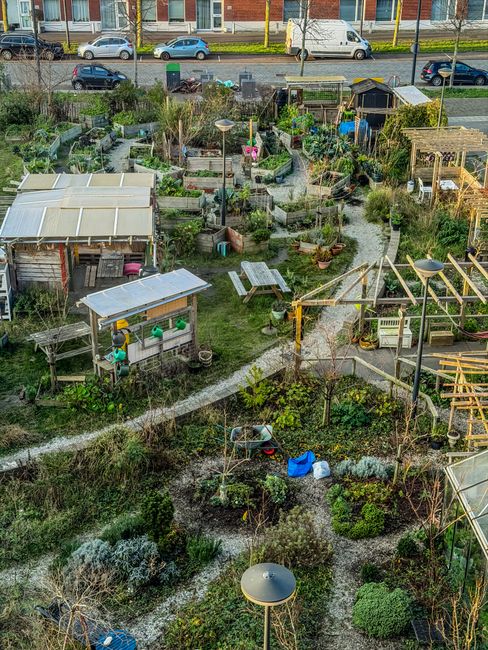
Gardeners for Broadwater Farm balconies and courtyards
If you live on Broadwater Farm, you already know that outdoor space can be a bit of a balancing act. A balcony may be compact, a courtyard may be shared, and both can face wind, shade, privacy issues, and the usual London wear and tear. That is exactly where Gardeners for Broadwater Farm balconies and courtyards come in: not just to make things look nicer, but to help you create an outdoor space that works in real life. Properly planned planting can soften hard surfaces, bring colour to a small flat, and make a courtyard feel calmer and more welcoming. Truth be told, it does not take acres of space to make a real difference.
This guide walks you through what balcony and courtyard gardening actually involves, how it is usually approached, where people go wrong, and what good local gardening support should look like. Whether you want low-maintenance containers, a greener communal courtyard, or a seasonal refresh that doesn't become another chore, you'll find practical guidance here.
For readers comparing service options, it can also help to review the full range of gardening services, check pricing and quotes, and learn more about the company's approach on the about us page. Small details matter, especially in compact spaces.
Table of Contents
- Why Gardeners for Broadwater Farm balconies and courtyards Matters
- How Gardeners for Broadwater Farm balconies and courtyards Works
- Key Benefits and Practical Advantages
- Who This Is For and When It Makes Sense
- Step-by-Step Guidance
- Expert Tips for Better Results
- Common Mistakes to Avoid
- Tools, Resources and Recommendations
- Law, Compliance, Standards, or Best Practice
- Options, Methods, or Comparison Table
- Case Study or Real-World Example
- Practical Checklist
- Conclusion
- Frequently Asked Questions
Why Gardeners for Broadwater Farm balconies and courtyards Matters
Balconies and courtyards are often the most underused parts of a home or housing block. They can end up with one sad pot, a dusty chair, and not much else. But with the right planting and maintenance, these spaces can do a lot more than look tidy. They can improve the feel of a flat, create a place to sit out with a coffee, and make shared areas feel less stark.
On Broadwater Farm, practical gardening is especially valuable because outdoor spaces are often exposed to a mix of conditions: wind tunnels, varying light levels, foot traffic, privacy concerns, and sometimes restrictions around access or communal use. A good gardener understands that a balcony is not a mini back garden. It needs different thinking. Different plants. Different containers. Different expectations.
In our experience, the most successful balcony and courtyard schemes are the ones designed around the space rather than forced onto it. That means choosing plant varieties that can cope with shade or full sun, ensuring containers are safe and stable, and keeping maintenance simple enough that it stays manageable after the novelty wears off. Let's face it, nobody wants a beautiful planter that turns into a weekly rescue mission.
This is also where trustworthy service matters. You want someone who can work neatly, respect neighbours and shared areas, and communicate clearly about what is realistic. If you are choosing a provider, the company's health and safety policy and insurance and safety information are worth checking, especially for work at height or in communal areas.
How Gardeners for Broadwater Farm balconies and courtyards Works
The process usually starts with a site visit or a detailed discussion. A gardener will look at the dimensions of the balcony or courtyard, the direction it faces, how much light it gets, whether there is shelter from the wind, and what kind of surfaces are already there. Those details shape everything. A south-facing balcony with blasting sun needs a different planting scheme from a shaded courtyard that barely sees direct light.
From there, the gardener will normally decide on one or more of the following:
- Container planting for flowers, herbs, or small shrubs
- Seasonal planting updates for colour and structure
- Maintenance plans for watering, pruning, feeding, and deadheading
- Clearing and tidying neglected balconies or courtyards
- Improving layout for easier movement and better use of space
- Replacing tired compost, broken pots, or waterlogged planters
For shared courtyards, the job may also include practical coordination. That can mean keeping pathways clear, planning around residents' access, and making sure the planting does not create trip hazards or block light more than expected. In small communal spaces, a tidy plan is often better than an ambitious one.
One thing people sometimes miss: good balcony gardening is not only about plants. It is about weight, drainage, access, and maintenance. A pot may look perfect in the shop, then turn out to be far too heavy once filled and watered. Small oversight, big headache. Easy to do, though.
Key Benefits and Practical Advantages
There are obvious visual benefits, of course. A balcony with structured planting simply feels more alive. A courtyard with layered greenery can soften concrete and brick, and make a building feel less harsh. But the practical advantages go further than appearance.
- Better use of compact space: Smart planting can make even a narrow ledge or corner feel purposeful.
- Improved privacy: Taller planters, grasses, and screening plants can create a gentler sense of seclusion.
- Lower maintenance with the right plant choices: Once the planting is suited to the site, care becomes much easier.
- Seasonal interest: Containers can be refreshed through the year without redesigning everything.
- More comfortable outdoor living: Plants reduce the hard, bare feeling that many balconies and courtyards develop.
- Better shared-space presentation: In communal areas, neat planting can make the whole environment feel more cared for.
There is also a subtle wellbeing benefit. Stepping outside to see green leaves, smell herbs, or hear a bit of rustling foliage changes the feel of the day. Not dramatically, not magically. But enough.
For residents who are deciding whether to invest, it helps to think in terms of return on use rather than just cost. If a courtyard becomes somewhere people actually sit, or a balcony becomes the one place you want to have breakfast in the morning, that is a meaningful improvement.
Who This Is For and When It Makes Sense
This kind of gardening support is useful for several types of residents and property managers.
Homeowners and renters with balconies
If your balcony feels bare, cluttered, or difficult to maintain, targeted planting can make it usable without creating more work. It is especially helpful if you want colour, herbs, pollinator-friendly plants, or a calmer outlook.
Residents with shared courtyards
Courtyards need a different mindset because they are often used by multiple people. The planting should be durable, easy to understand, and not get in the way. Shared spaces also benefit from regular upkeep because they age quickly if left alone.
Housing associations, managing agents, and local landlords
For larger residential settings, balcony and courtyard gardening can improve presentation and resident satisfaction. It can also help keep communal outdoor areas orderly, which matters more than people think. A well-kept courtyard sends a signal: this place is looked after.
People with limited time
If you want the look and feel of a garden but not the weekly burden, professional help makes sense. Many people have the enthusiasm in spring and the patience of a wet Tuesday by midsummer. Fair enough.
When it makes sense to book help
- You have plants that keep failing for the same reason
- The space is awkward, windy, or heavily shaded
- You need a low-maintenance plan that will actually last
- You want the area to look good for residents, guests, or inspections
- You need help with safe access, pruning, or container replacement
Step-by-Step Guidance
If you are planning balcony or courtyard gardening for the first time, a simple step-by-step approach keeps things manageable.
- Measure the space properly. Note width, depth, access routes, and any obstacles such as drainage points or fixed seating.
- Check the light and wind. Watch the space at different times of day if you can. Morning shade and afternoon sun behave very differently.
- Decide the main purpose. Do you want privacy, colour, herbs, low maintenance, or a social sitting area?
- Choose container types carefully. Lightweight options may suit balconies, while heavier pots can work better in courtyards.
- Select plants that match conditions. Shade-tolerant, drought-tolerant, or wind-resistant varieties often perform best in exposed urban spaces.
- Plan watering access. A gorgeous display is no use if it is a pain to water.
- Build in maintenance from the start. Group plants with similar needs together so care stays simple.
- Review after the first season. See what thrived, what struggled, and what needs replacing or moving.
A practical gardener will usually improve the space in phases rather than trying to do everything at once. That is often the better option, especially if budgets or access are tight. One afternoon of careful setup can save months of frustration.
Expert Tips for Better Results
The best balcony and courtyard gardens tend to be the ones with fewer, better choices. That might sound almost too simple, but it works.
1. Use repetition. Repeating a few plant varieties across the space creates calm. Too many different plants can make small areas look busy rather than lush.
2. Think vertical as well as horizontal. In a tight area, trellises, tall planters, and wall-friendly planting can add presence without taking up walking room.
3. Choose the right compost and drainage. This is one of those behind-the-scenes details that makes or breaks container planting. Waterlogged roots are a common reason balconies fail.
4. Keep maintenance visible and simple. If watering cans are hard to reach or pots are scattered awkwardly, people stop caring. It happens fast.
5. Plan for winter, not just summer. A courtyard that looks good in June but bleak in January has only done half the job.
6. Make safety part of the design. Heavy pots, loose gravel, and trailing stems near walkways can all become problems in shared settings.
One useful trick is to start with structure before colour. Grasses, evergreen shrubs, and climbing support give the space backbone. Then seasonal flowers can do the finishing work. It sounds small, but it changes everything.
Common Mistakes to Avoid
Balcony and courtyard gardening is easy to get wrong in a few predictable ways. Knowing them upfront saves time and money.
- Choosing plants for looks alone: A plant may be lovely in a brochure and dreadful in a windy courtyard.
- Overfilling the space: Too many pots can make a small balcony hard to use.
- Ignoring weight: Containers can become surprisingly heavy once watered.
- Forgetting drainage: Poor drainage leads to root problems and messy overspill.
- Using high-maintenance plants without a plan: If nobody has time to prune, feed, and deadhead, the display soon slips.
- Blocking access routes: This matters especially in communal courtyards where people need room to pass safely.
- Mixing incompatible plants: Shade lovers and sun lovers should not be forced to share the same cramped container.
Another common mistake is expecting immediate fullness. A good planting scheme often needs a little time to knit together. You will notice the change most clearly after a few weeks, not five minutes after the final pot is placed.
Tools, Resources and Recommendations
You do not need a van full of kit to maintain a compact garden, but you do need the right basics.
| Item | Why it helps | Best for |
|---|---|---|
| Lightweight containers | Easier to move and safer on balconies | Upper-floor flats and flexible layouts |
| Quality compost | Supports healthier root growth and better water retention | Most containers and seasonal planting |
| Watering can with a fine spout | Helps water evenly without washing soil out | Small balconies and grouped pots |
| Hand pruners or snips | Useful for tidy cutting, deadheading, and light shaping | Routine upkeep |
| Plant supports or trellis | Adds vertical growing space without cluttering the floor | Courtyard walls and screening |
For service planning, it can help to explore recycling and sustainability if you are clearing old pots, compost, or dead plant material, and to review payment and security information before booking. If accessibility matters for your building or residents, the accessibility statement is also worth reading. It is the sort of detail people often skip, then need later.
And if you are simply trying to work out whether a planned refresh is realistic, a quick look at services overview and contact details can help you move from idea to action without the usual back-and-forth.
Law, Compliance, Standards, or Best Practice
For balcony and courtyard gardening, compliance is usually more about sensible best practice than dramatic legal complexity, but it still matters. In shared residential environments, especially, the work should be carried out with attention to safety, access, and respect for communal use.
Some practical points to keep in mind:
- Do not overload balconies: Weight limits and structural considerations should be respected. If in doubt, err on the side of lighter containers and fewer large items.
- Keep walkways clear: Courtyards are often shared routes. Plants should not create trip hazards or restrict movement.
- Use safe working methods: If pruning, lifting, or repositioning containers requires awkward access, the job should be planned properly.
- Consider neighbours: Overwatering, soil spillage, and trailing plants can become a nuisance if not managed well.
- Follow building rules where applicable: Some properties have specific expectations for communal areas, storage, or fixed items.
Good providers should be transparent about how they work. That is why pages such as terms and conditions, health and safety policy, and insurance and safety are useful indicators of professionalism. They do not plant anything themselves, obviously, but they tell you a lot about how the work will be handled.
Options, Methods, or Comparison Table
There is no single right way to manage a balcony or courtyard. The best option depends on space, budget, and how much maintenance you actually want to do. Here is a simple comparison to help narrow things down.
| Method | Best for | Pros | Watch-outs |
|---|---|---|---|
| Seasonal container refresh | People who like variety | Fresh colour through the year, simple to update | Needs regular replacement and attention |
| Low-maintenance evergreen scheme | Busy households and shared spaces | Reliable structure, less upkeep | Can feel less dramatic without accents |
| Herb and edible planting | Small private balconies | Useful, fragrant, and rewarding | Needs more sunlight and regular watering |
| Screening and privacy planting | Overlooked balconies or courtyards | Makes the area feel calmer and more enclosed | May need careful selection for weight and height |
| Full tidy-up and replant | Neglected or overgrown spaces | Big transformation, clean reset | Higher upfront effort than minor maintenance |
For many Broadwater Farm residents, a hybrid method works best: a strong evergreen base, a few seasonal accents, and one or two taller elements for structure. Nothing too fussy. Just enough to feel intentional.
Case Study or Real-World Example
Imagine a south-east facing balcony that had been used mostly for storage. A chair, a couple of empty pots, a folding drying rack, and not much else. The owner wanted greenery but did not want a garden that needed daily babysitting. Fair enough, really.
The solution was straightforward. Lightweight containers were grouped along one side to keep the sitting area open. A small climbing frame added height without taking floor space. A mix of tough evergreens and seasonal flowers gave year-round structure, while two herb pots sat closer to the door for easy watering. The result was not over-designed. It just felt usable. Calmer. The kind of place where you might actually sit for ten minutes and forget to check your phone.
Now compare that with a shared courtyard that had become visually tired: a few cracked containers, patchy planting, and a neglected corner near the bins. Here, the better approach was tidying, simplifying, and planting for durability rather than spectacle. The improvement came from order as much as from colour. And that is an important point. A courtyard does not need to look like a magazine spread to be successful.
Practical Checklist
Use this checklist before starting work or booking help.
- Measure the balcony or courtyard carefully
- Check light, shade, wind, and shelter
- Confirm access routes and any shared-use restrictions
- Decide whether you want privacy, colour, food growing, or low maintenance
- Choose containers that suit the available weight and floor space
- Make sure drainage is planned properly
- Select plants for the actual conditions, not just the look you want
- Think about watering and routine care
- Remove anything broken, unsafe, or unnecessary before planting
- Check the provider's trust pages, including about us and complaints procedure, if you are comparing services
- Ask for a clear quote before work begins
If you are organising work for a housing block or a shared outdoor area, one extra step is worth taking: speak to residents early. A short conversation can prevent a lot of awkwardness later. Strange how often that saves the day.
Conclusion
Gardeners for Broadwater Farm balconies and courtyards are about much more than adding a few plants. Done well, they help transform awkward, overlooked, or underused outdoor spaces into areas that feel calmer, more welcoming, and easier to live with. The key is realistic planning: the right plants, the right containers, the right level of maintenance, and a clear understanding of how the space is actually used.
Whether you are improving a private balcony, refreshing a communal courtyard, or simply trying to make a small outdoor area feel less forgotten, the best results come from careful, site-specific work. No fuss. No wasted effort. Just a space that quietly does its job, day after day.
Get a free quote today and see how much you can save.
If you are ready to take the next step, use the contact page to start a conversation, or review pricing and quotes so you know what to expect. A small outdoor change can make a surprisingly big difference, and sometimes that is all a place needs.
Frequently Asked Questions
What do gardeners do for Broadwater Farm balconies and courtyards?
They help with planting, tidying, container setup, seasonal refreshes, pruning, and practical maintenance for compact or shared outdoor spaces. The work is usually tailored to the site rather than applied as a generic garden package.
Can a balcony garden work in a windy area?
Yes, but the plant choice and container choice matter a lot. Wind-tolerant plants, heavier or well-balanced containers, and careful placement all help. A sheltered corner can make a big difference too.
What are the best plants for a small balcony?
That depends on the light, but compact shrubs, herbs, grasses, trailing plants, and seasonal flowers often work well. In shaded spots, the priority is usually resilience and healthy foliage rather than constant bloom.
How often does a balcony or courtyard garden need maintenance?
It varies by planting style and season. Some spaces need only occasional checks, while others need regular watering, deadheading, and tidy-up visits. A well-planned scheme should not feel like a second job.
Is courtyard gardening suitable for shared residential spaces?
Yes, as long as access, safety, and neighbour use are considered. In shared areas, clear pathways and durable planting are usually more important than decorative complexity.
Do I need permission to add plants to a balcony or courtyard?
Sometimes, yes. Private balconies may have fewer restrictions, while communal courtyards often have building or management rules. It is wise to check before adding large containers or fixed structures.
What is the biggest mistake people make with small-space gardening?
Choosing plants and containers without thinking about the actual conditions. A plant that loves sun will not thank you for being placed in deep shade, and a heavy planter can be a problem on a balcony if it was not planned properly.
Can I have edible plants on a Broadwater Farm balcony?
Absolutely, if the space gets enough light and you can water regularly. Herbs are often the easiest place to start. Tomatoes and strawberries can work too, but they usually need more attention.
How do I keep a courtyard looking tidy all year?
Use a base of sturdy evergreen plants, remove spent growth regularly, and refresh seasonal containers when needed. Simplicity is your friend here. A tidy courtyard is often a well-maintained one, not a heavily planted one.
What should I ask before booking a gardener?
Ask what is included, how long the work will take, what happens with waste, whether materials are supplied, and how pricing is structured. It also helps to ask about safety, insurance, and aftercare.
Are balcony gardens expensive to set up?
They do not have to be. Costs depend on the size of the space, the type of plants, the number of containers, and whether the area needs a full reset or just a refresh. Getting a clear quote is the easiest way to avoid surprises.
Where can I learn more about the company before getting started?
You can review the services overview, read more about the business on the about us page, and check practical information such as recycling and sustainability. That usually gives a good sense of how they work.